0
0
 0
0
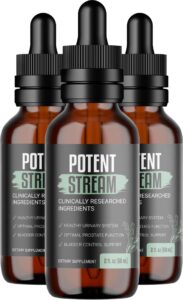
Managing blood sugar levels is crucial for overall health and well-being, especially for individuals with diabetes or those at risk of developing this condition. One effective way to support healthy blood sugar balance is through natural supplements that leverage the potency of botanical extracts. Today, we are excited to introduce a revolutionary product designed to assist in maintaining optimal blood sugar levels: the Natural Blood Sugar Support Formula with Botanical Extracts.
This innovative formula combines traditional herbal wisdom with modern science to create a powerful supplement. It is tailored for people who seek a natural solution to help regulate their blood sugar, boost their energy levels, and improve their overall health. With an increasing focus on wellness and preventative care, more individuals are turning to herbal supplements as a safe and effective alternative to synthetic medications.
What sets this Natural Blood Sugar Support Formula apart is its unique blend of carefully selected botanical extracts. Each ingredient is meticulously chosen for its health benefits, especially for blood sugar management. For instance, Gymnema Sylvestre, often referred to as the “sugar destroyer,” has been used for centuries in traditional medicine to support healthy glucose levels. This herb works by decreasing sugar absorption in the intestines and reducing cravings for sweet foods.
Another essential ingredient in our formula is Berberine, a compound extracted from various plants. Berberine has shown promising results in clinical studies, demonstrating its ability to improve insulin sensitivity and regulate glucose metabolism. By incorporating this powerful herbal extract, our formula aids the body’s natural ability to maintain balanced blood sugar levels.
Moreover, the Natural Blood Sugar Support Formula also includes Cinnamon, a well-known spice praised for its potential to help lower blood sugar levels. Research has indicated that cinnamon can enhance insulin sensitivity, making it easier for cells to uptake glucose. The synergy of these botanical extracts creates a comprehensive approach to managing blood sugar levels, making it an ideal choice for anyone seeking to support their metabolic health.
Lifestyle choices play a crucial role in blood sugar regulation, but when combined with good dietary habits and regular exercise, our Natural Blood Sugar Support Formula can serve as an excellent complementary approach. Supplementing with this formula empowers individuals not only to manage their blood sugar levels but also to take proactive steps towards improved health.
Aside from the blend of powerful botanical extracts, our Natural Blood Sugar Support Formula is manufactured with quality in mind. We adhere to strict guidance for supplement production, ensuring that our product is tested for purity, potency, and safety. Each capsule is crafted to deliver a precise amount of active ingredients, ensuring that you receive the full benefits with every serving.
With the rising costs of healthcare, more individuals are motivated to seek preventive measures and holistic approaches to health. Choosing a natural supplement like our Natural Blood Sugar Support Formula can be an effective step towards taking control of one’s health. The formula is designed to work synergistically with the body’s natural processes, providing support that is both gentle and effective.
By integrating our formula into your daily routine, you are not just investing in a product; you are investing in your health. We invite you to explore the benefits of enhancing your blood sugar levels naturally and effortlessly with our carefully formulated product. If you’re ready to take the next step in your health journey, consider trying our natural blood sugar balance capsules today. Your well-being is precious, and natural support is one of the best gifts you can give yourself. Make the switch today and experience the difference!